


Unpopular Opinion: Dance is a Business, and We Need to Stop Apologizing for It
Let's talk about the elephant in the studio, the one doing a terrible cha-cha in the corner while everyone pretends not to notice.
Dance instructors, event organizers, and venue owners are running businesses. Full stop. Yet somehow, we've created this weird culture where admitting that feels like selling out. Where charging what you're actually worth comes with a side of guilt and a lengthy apology about "keeping it accessible."
Here's the truth bomb: Your guilt about making money is actively hurting the dance community you're trying to build.
THE APOLOGY TOUR NEEDS TO END
You've seen it. Hell, you've probably done it. That uncomfortable shuffle when someone asks your class rates, followed by "Well, it's just $15, I know that's a lot but..." or posting about your event with "Sorry for the cover charge, but we need to pay the DJ..."
Stop. Just stop.
When a restaurant charges $30 for a steak, the chef doesn't apologize. When a mechanic quotes you $800 for brake work, they don't send you a follow-up text saying "Sorry it's so expensive!" They provide a service that has value, they charge accordingly, and they sleep just fine at night.

Dance is no different. You're providing expertise that took years to develop, you're curating experiences that people remember for a lifetime, and you're creating spaces where communities connect. That has VALUE, massive value, and pretending otherwise is doing nobody any favors.
THE MATH THAT NOBODY WANTS TO DO
Let's get real about what it actually costs to run a quality dance event or maintain a thriving studio space.
Professional sound equipment? That's not a luxury; it's the difference between people hearing the music in their bones or straining to catch the beat over conversation. Quality sound systems run thousands of dollars, and they require maintenance, transportation, and expertise to operate.
Venue rental? Unless you're running classes in your garage (and no shade if you are, we all start somewhere), you're paying for space. Real space, with proper flooring that won't destroy your students' knees, adequate climate control, and room to actually move.
Instructor compensation? Here's a wild thought, dance teachers should be able to pay their rent without working three side hustles. When instructors are financially stable, they bring better energy, more preparation, and consistent quality to every class.
Marketing and promotion? Word of mouth is beautiful, but it doesn't pay for Facebook ads, website hosting, or the graphic designer who makes your flyers actually look professional instead of like a 2003 Microsoft Word disaster.
At RELPro Events & Entertainment, we're not apologizing for investing in these elements. We're architecting experiences that transform ordinary nights into extraordinary memories, and that requires resources, planning, and yes, money.
THE HIDDEN COST OF "CHEAP"
You want to know what's really keeping dance scenes small and stagnant? It's not the $20 cover charge at the quality venue. It's the race to the bottom.
When everyone's competing to be the cheapest option, here's what actually happens:
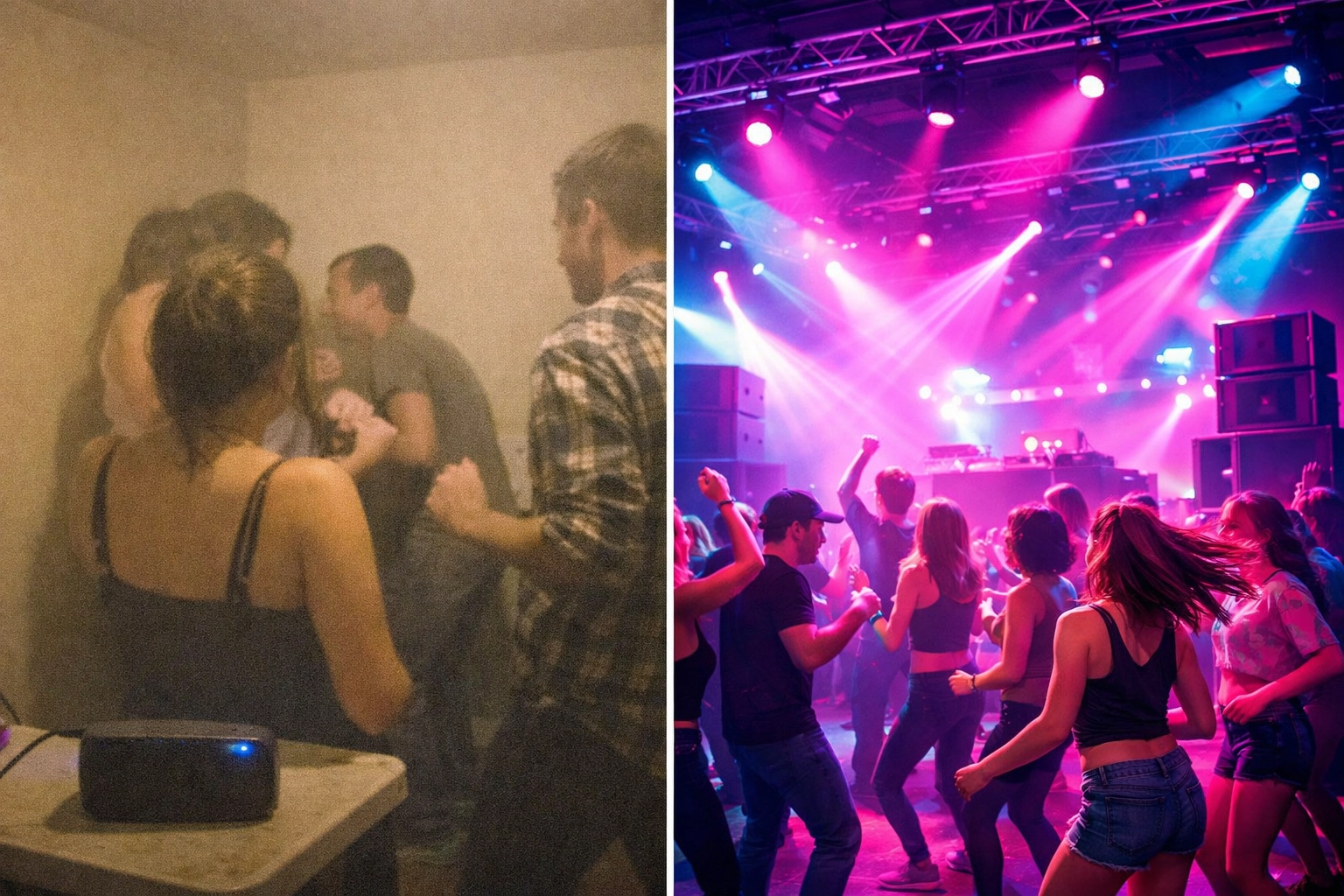
Sound quality tanks. You can't invest in proper equipment when you're barely breaking even, so people deal with that tinny Bluetooth speaker or the venue's ancient system that cuts out every twelve minutes.
Instructors burn out. Teaching for $30 an hour while spending three hours planning the lesson, driving to the venue, and staying late to answer questions isn't sustainable. Eventually, your best teachers disappear because they can't afford to keep dancing.
The experience suffers. When events are run on shoestring budgets, corners get cut. The venue is too small, too hot, or has a floor that feels like dancing on concrete. There's one bathroom for 100 people. The "dance floor" is actually just a cleared space between dinner tables.
Beginners don't stick around. Here's the kicker, when someone tries dance for the first time at a cheap event with bad sound, cramped space, and exhausted instructors, they often don't come back. Not because they don't like dancing, but because their first impression was that dance events are chaotic, uncomfortable experiences with questionable audio.
The "cheap" event that seems accessible actually becomes a barrier to entry because it's a poor representation of what dance can be.
WHAT PROFESSIONAL INVESTMENT ACTUALLY LOOKS LIKE
When dance professionals charge appropriately and invest those resources back into the experience, magic happens.
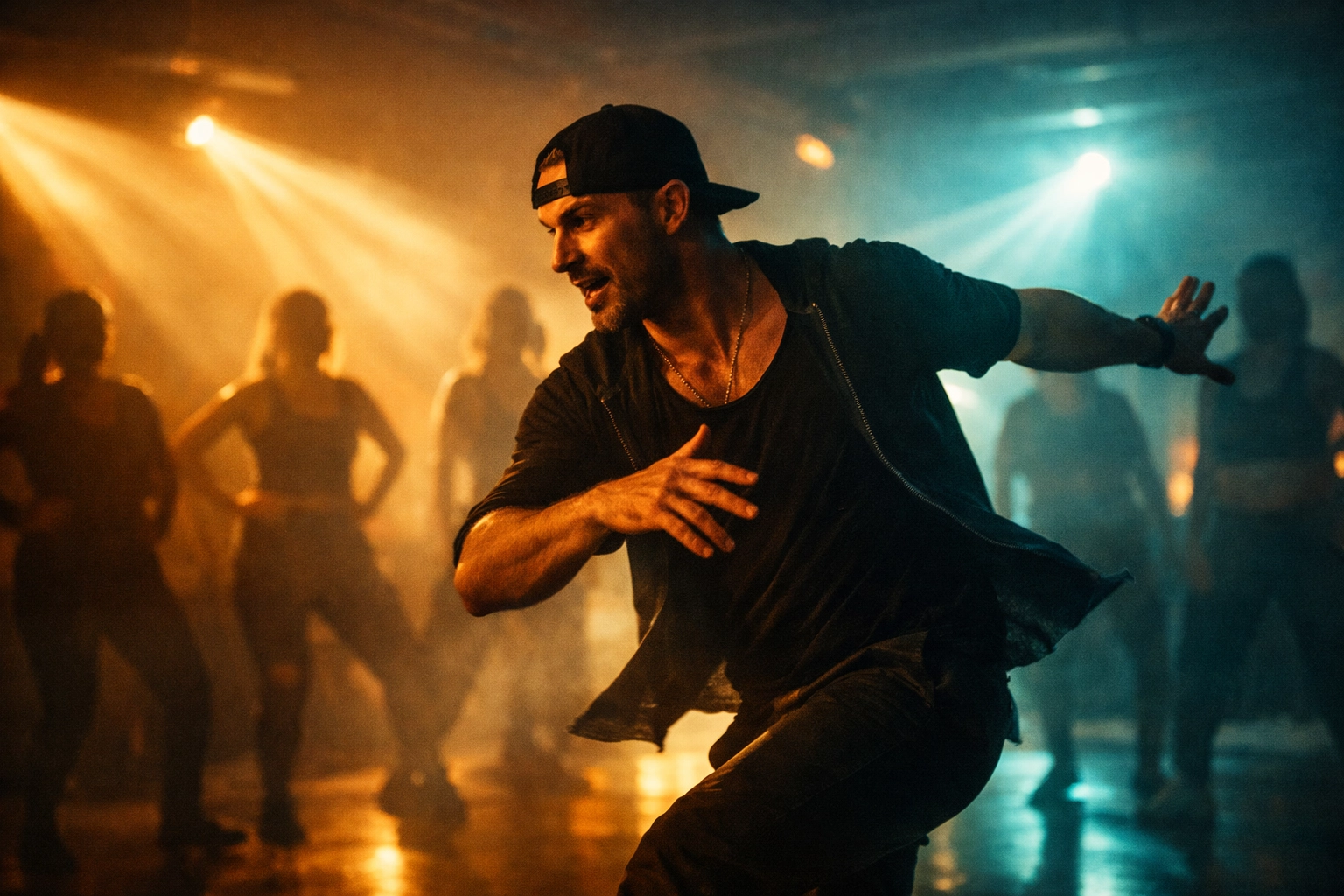
The sound is crisp and balanced: you feel the music, not just hear it. The bass hits clean, the vocals are clear, and the whole room moves together because everyone's actually on the same beat.
The space is comfortable and functional. Proper dance floors protect joints and allow for smooth movement. Climate control keeps everyone from melting into puddles by song three. There's adequate seating for when people need breaks.
Instructors show up prepared, energized, and excited because they're not exhausted from working their fourth job of the week. They have time to plan thoughtful progressions, they bring auxiliary equipment, and they can focus entirely on their students rather than worrying about making rent.
Marketing reaches beyond the existing echo chamber. New people discover dance because they see professional promotional materials that make the scene look vibrant and welcoming rather than like a secret club that only insiders know about.
This is what we're building with every event we produce. We're not cutting corners or apologizing for investing in quality: we're demonstrating that dance deserves the same professional treatment as any other valued service.
THE RIPPLE EFFECT OF THRIVING PROFESSIONALS
Here's what changes when dance professionals stop apologizing and start thriving:
The talent pool expands. When teaching and performing dance can actually support someone financially, more people can dedicate themselves to mastery. Your local scene gets deeper, more skilled, and more diverse.
Innovation happens. Instructors with financial breathing room can experiment with new teaching methods, travel to learn different styles, and bring fresh ideas back to their communities.
The community grows. Professional operations attract new dancers because the experience is consistently high-quality. People bring their friends because they're proud of their scene, not making excuses for it.
Standards rise. When some venues and instructors demonstrate what's possible with proper investment, it creates positive pressure across the scene. Everyone ups their game.
Longevity improves. Financially sustainable dance businesses don't suddenly disappear because the organizer burned out or couldn't afford to continue. Communities build on stable foundations rather than constantly rebuilding.
CHARGING WHAT YOU'RE WORTH IS COMMUNITY SERVICE
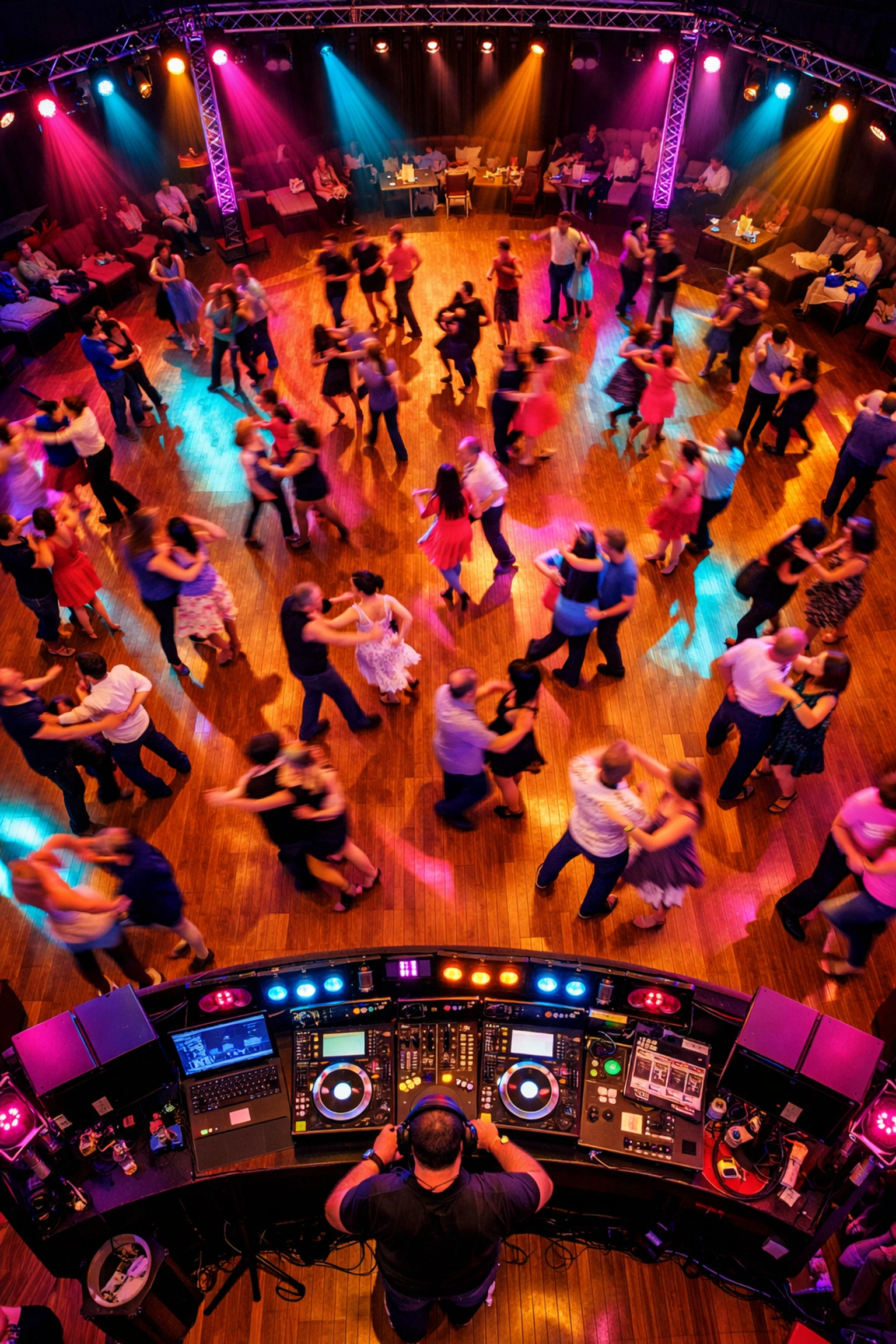
This is the mindset shift that changes everything: Charging appropriately for quality dance experiences is not exploitation: it's community building.
When you charge rates that allow you to invest in excellent sound, comfortable venues, and fair compensation for everyone involved, you're creating experiences that actually grow the scene. You're showing newcomers what dance can be at its best. You're supporting a ecosystem where talented instructors can thrive. You're building something sustainable rather than running on borrowed time and burnout.
The dance community doesn't need more martyrs sacrificing themselves on the altar of "accessibility." It needs professional operations that deliver consistent quality and create environments where both participants and organizers can thrive.
THE PRACTICAL REALITY
Does this mean every event needs to cost $50? Of course not. Pricing should reflect your market, your costs, and the experience you're delivering. But it should also reflect the VALUE you're providing.
That $20 cover charge isn't "expensive": it's less than a movie ticket and includes live music, social connection, physical activity, and skill development. That $120 monthly class package isn't outrageous: it's four weeks of expert instruction for the price of a decent pair of shoes.
Stop framing your pricing as a necessary evil and start communicating it as an investment in quality. Because that's exactly what it is.
At RELPro Events & Entertainment, we're building a model where professional standards and community accessibility coexist. We invest in extraordinary sound, meticulously planned events, and fair compensation for talented instructors: because that's what creates the unforgettable experiences that make people fall in love with dance.
We're not apologizing for being a business. We're celebrating it: because strong businesses build strong communities.
Dance is a business. It's time we all stopped apologizing for that reality and started embracing it as the foundation for building something truly extraordinary.
The question isn't whether dance should be professional and financially sustainable. The question is: are you ready to stop apologizing and start building?
Comments