


Why Your Dance Scene is Tiny: The Truth About Gatekeeping and Egos
Let's talk about the elephant in the dance studio.
Your local dance scene isn't small because people don't want to dance. It's not small because there aren't enough interested beginners. It's small because we're keeping it small: with gatekeeping, petty competition, and egos that prioritize being the "only option" over building something extraordinary together.
If you're a dance instructor, studio owner, or event promoter reading this and feeling defensive, good. That means you're paying attention. Because the uncomfortable truth is that many of us are complicit in keeping our communities tiny when they could be thriving.
What Gatekeeping Actually Looks Like
Gatekeeping in dance isn't always obvious. It's not just the stereotypical instructor who refuses to share knowledge or the studio owner who badmouths competitors. It shows up in subtler, more insidious ways that collectively create barriers for newcomers and limit community growth.
It's the intermediate dancer who rolls their eyes when a beginner asks a question at a social. It's the promoter who only books instructors from their own network, ignoring talented teachers who could bring fresh energy. It's the studio that discourages students from taking workshops elsewhere because they might "learn bad habits."
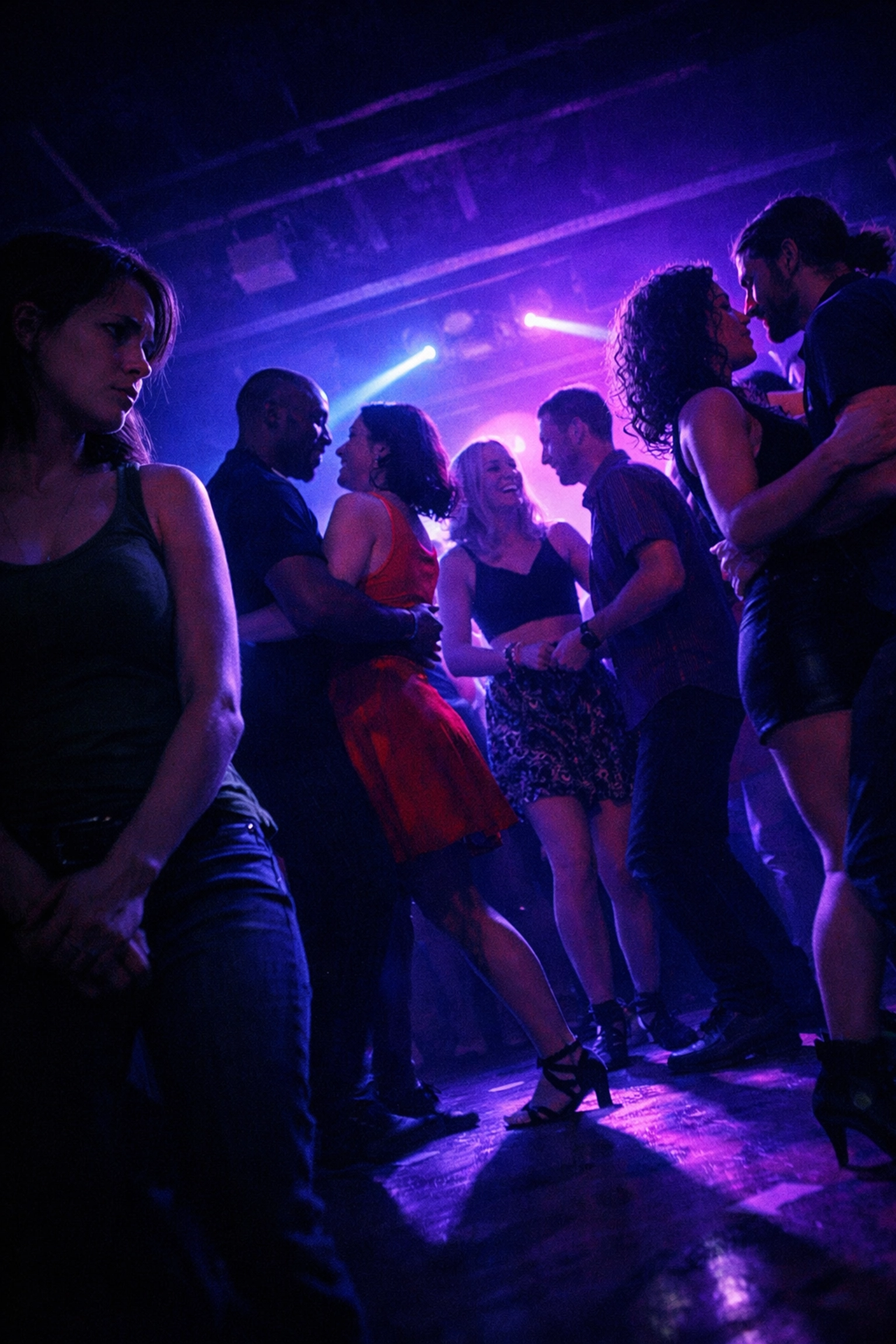
These behaviors create an environment where dance becomes exclusive rather than inclusive. New dancers feel the judgment. They sense the cliques. They pick up on the unspoken hierarchy that tells them they're not welcome until they've "paid their dues": whatever that means.
The result? They leave. They don't come back. Your scene stays small.
The Competition Trap: How "Protecting Your Territory" Backfires
Here's where we need to get brutally honest: dance is a business. Studios need to pay rent. Instructors need to make a living. Event promoters need to cover costs and ideally profit from their work. There's nothing wrong with any of that.
The problem starts when we confuse running a sustainable business with hoarding opportunities and viewing every other dance professional as a threat.
When you spend energy worrying about what the studio across town is doing, you're not focused on delivering extraordinary experiences to your own students. When you refuse to collaborate with other instructors because you're afraid they'll "steal" your students, you're operating from a scarcity mindset that limits everyone: including yourself.
The uncomfortable reality is that most local dance scenes aren't big enough to support this territorial behavior. You're fighting over crumbs when you could be building a bakery together.
Division is Expensive: And It's Killing Your Community
Competitive territorialism creates division. Division creates drama. Drama drives people away.
Think about it from a newcomer's perspective. They discover Latin dance and get excited. They start researching local options and immediately encounter:
Studio owners subtly (or not-so-subtly) disparaging other instructors
Social media posts that seem designed to create "us vs. them" dynamics
Students who proudly declare loyalty to one school while dismissing others
Event promoters who won't cross-promote or collaborate with "competing" events
This isn't community. This is tribalism. And tribalism is exhausting for people who just want to learn to dance and have fun.
At RELPro Events & Entertainment and The Dance Factory Tampa Bay, we've seen firsthand how powerful the alternative approach can be. When we focus on elevating the entire Tampa Bay dance community rather than protecting our slice of it, everyone benefits.
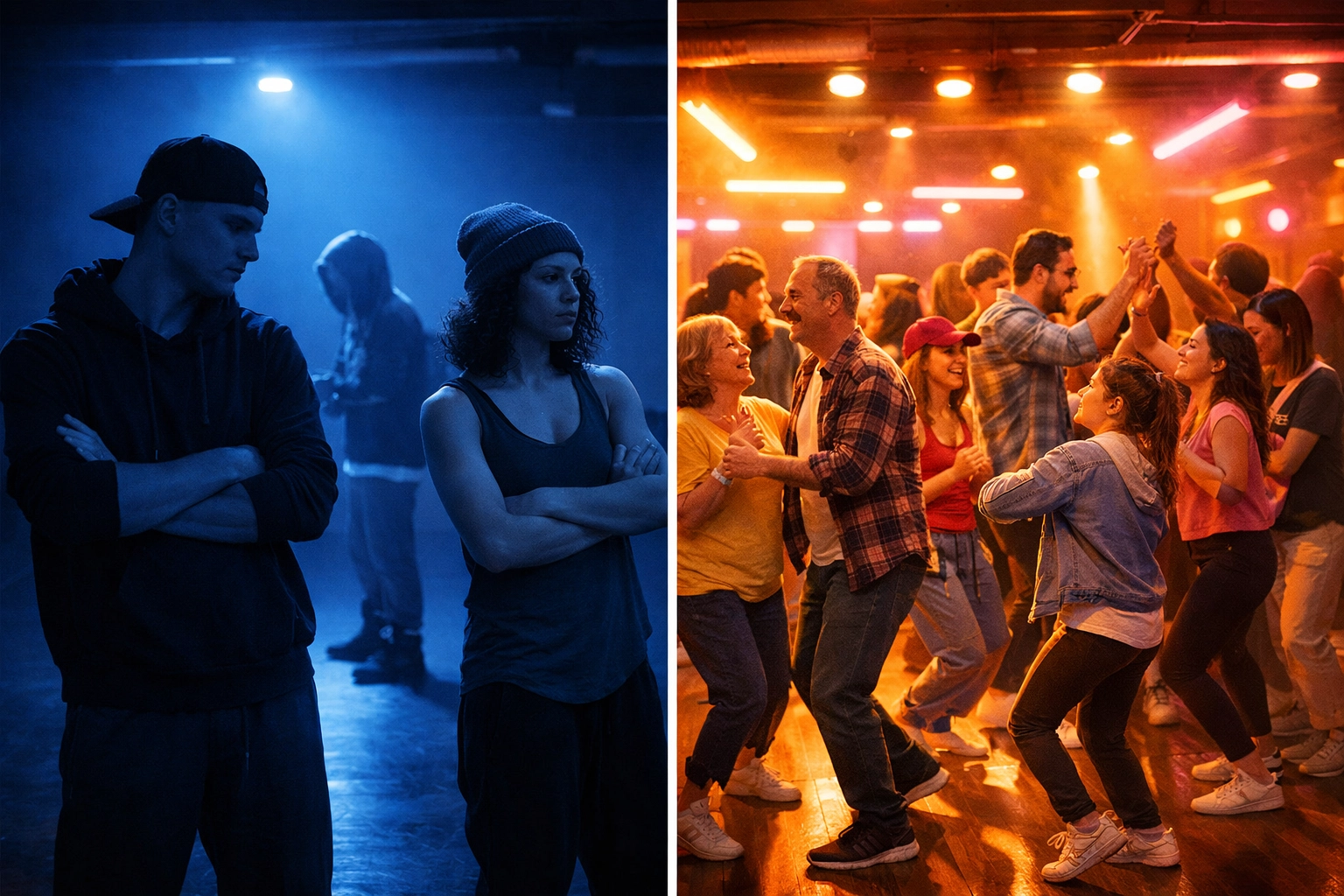
Collaboration is the Only Path to Real Growth
Here's what changes when dance professionals choose collaboration over competition:
The scene actually grows. When multiple studios and instructors work together to create compelling events, workshops, and socials, you create an ecosystem that attracts more people. A vibrant scene with multiple entry points and diverse offerings brings in newcomers who might never have discovered dance otherwise.
Everyone's reputation improves. In a healthy, collaborative community, the rising tide lifts all boats. When Tampa Bay becomes known for having an incredible dance scene: not just one good studio: everyone who contributes to that reputation benefits professionally.
Students develop better. Dancers who learn from multiple instructors and experience different teaching styles develop more comprehensive skills. They become better dancers, which makes your socials more fun, which attracts more people. See how that works?
You create sustainability. A bigger scene means more students for everyone. More attendees at events. More opportunities for instructors to teach workshops. More demand for performance groups and professional dancers. The whole ecosystem becomes healthier.
Let's Talk About Social Media Politics
And while we're being controversial, let's address another growth killer: the social media debates that prioritize appearing virtuous over actually building inclusive communities.
Cultural appropriation discourse. Purity tests about who has the "right" to teach or perform certain dance styles. Public call-outs and cancellations over perceived missteps. These conversations can serve important purposes in larger contexts, but when they dominate a local dance scene's social media presence, they create an environment where people are afraid to participate.
A growth mindset focuses on bringing people together through dance. It welcomes cultural exchange, celebrates learning, and creates space for people to make mistakes and grow. It recognizes that most people approach dance with genuine appreciation and enthusiasm: not malicious intent.
This doesn't mean ignoring legitimate concerns about respect and representation. It means handling those conversations with nuance, assuming good faith, and prioritizing the goal of building an open, joyful community where everyone feels welcome to learn and participate.
When your local scene's social media becomes a minefield of potential controversy, newcomers stay away. The people who remain are those willing to navigate the politics: not necessarily those most passionate about dancing.
Dance is a Business: And That's Okay
Let's circle back to this essential point: treating dance as a business is not antithetical to building community. In fact, professional, sustainable business practices create the foundation for thriving communities.
Good businesses provide value. They create jobs. They invest in quality experiences. They plan for long-term sustainability rather than quick wins.
The difference between a business mindset and a scarcity mindset is this: businesses grow by serving more people better. Scarcity thinking tries to capture and control a limited pool of resources.
At RELPro Events & Entertainment, we run events as a business. We invest in quality sound systems, experienced DJs, professional venues, and skilled instructors. We price our services appropriately for the value we deliver. And we do all of this while actively promoting the broader Tampa Bay dance community because we understand that our business succeeds when the whole ecosystem thrives.
The Path Forward: Abundance Over Scarcity
Growing your local dance scene requires a fundamental mindset shift from scarcity to abundance.
Celebrate other instructors' successes. When another studio hosts a successful workshop, promote it. When another instructor develops an innovative teaching approach, learn from it. Rising standards benefit everyone.
Cross-promote events and classes. Your beginner student might benefit from another instructor's styling workshop. That student will return to your classes more skilled and enthusiastic: and they'll tell others about the amazing dance community they've discovered.
Create shared events and festivals. Partner with other studios and promoters to create events that are bigger and better than what any single entity could produce alone. These showcase events attract newcomers and media attention that benefits the entire community.
Focus on your unique value. Instead of worrying about competition, double down on what makes your offering special. Your authentic voice and approach will attract the right students and clients without requiring you to diminish others.

Building Something Bigger Than Ourselves
The most vibrant dance scenes in the world didn't get that way through gatekeeping and territorialism. They grew because passionate people chose collaboration, openness, and a genuine commitment to bringing people together through dance.
Your local scene can be tiny, exclusive, and stagnant: or it can be growing, welcoming, and electric with possibility. The choice isn't about having more resources or better dancers. It's about the mindset and approach of the people leading studios, teaching classes, and promoting events.
At The Dance Factory Tampa Bay, we're committed to building a dance community that welcomes everyone: from absolute beginners to advanced performers. We're investing in the long-term growth of Tampa Bay's dance scene because we understand that success isn't measured by how many competitors we've eliminated, but by how many people we've inspired to discover the joy of dance.
The question is: are you building walls or bridges? Are you protecting a tiny kingdom or architecting an expanding community? Are you operating from fear or abundance?
Your dance scene is as big as your vision and as welcoming as your ego allows it to be. Choose accordingly.
Comments